Master Amazing Homemade Dinner Rolls: Your Easy Recipe Guide
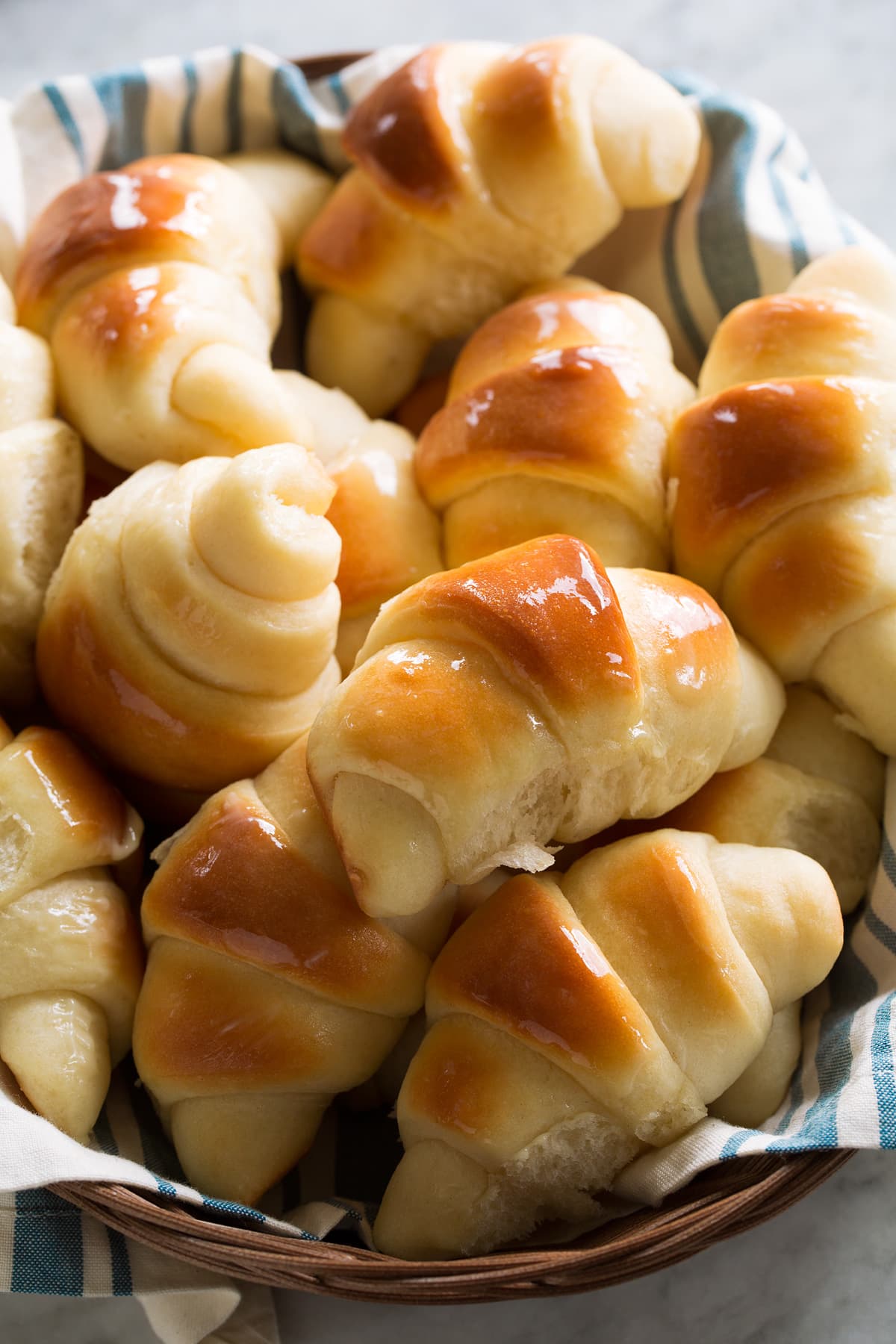
There's something truly magical about the aroma of freshly baked bread wafting through your home. Among all the delightful bakes, amazing homemade dinner rolls hold a special place. They transform any meal, from a simple weeknight dinner to a grand holiday feast, into an extraordinary occasion. Imagine biting into a warm, golden-brown roll—crisp on the outside, incredibly soft and fluffy on the inside, with a rich, buttery flavor that melts in your mouth. This isn't just a dream; it's a reality you can easily achieve in your own kitchen!
For years, many have relied on tried-and-true recipes for their holiday spreads and family gatherings. But sometimes, a new discovery comes along that rivals even the most beloved classics. The recipe we're about to share consistently produces the most buttery, soft dinner rolls perfect for any occasion, earning them a permanent spot in our rotation. These aren't just good; they are truly amazing dinner rolls that will have your family asking for them again and again.
The Irresistible Charm of Homemade Dinner Rolls
Why bother making dinner rolls from scratch when store-bought options are readily available? The answer lies in the unparalleled taste, texture, and pure joy that only homemade can deliver. These aren't just a side dish; they are an experience. They embody comfort food at its finest, evoking memories of grandma's kitchen and simple, wholesome goodness. With their classic, old-fashioned appeal, these rolls are crafted from basic ingredients, proving that sometimes, the simplest things are the most satisfying.
Beyond the nostalgic value, mastering homemade dinner rolls gives you complete control over the ingredients, ensuring a fresh, preservative-free product. They pair perfectly with almost any meal – from hearty stews and roasted meats to light salads. Their soft, fluffy texture and rich, buttery taste make them an addictive treat that can even elevate next-day leftovers. Picture a Thanksgiving leftover sandwich on one of these rolls – pure bliss!
Unlocking the Secrets: Essential Ingredients for Amazing Dinner Rolls
The beauty of these amazing dinner rolls lies in their simplicity. Using everyday kitchen staples, you can create something truly spectacular. However, the success of your rolls hinges on paying close attention to the details of each ingredient, especially temperatures and freshness.
- Warm Water (1/3 cup): This is crucial for activating the yeast. Aim for a temperature between 110-115°F (43-46°C). Too hot, and you'll kill the yeast; too cold, and it won't activate properly, leading to rolls that won't rise. A kitchen thermometer is your best friend here.
- Active Dry Yeast (2 1/4 tsp): Ensure your yeast is fresh and hasn't expired. Stale yeast is a common culprit for failed rises. Proper proofing (letting it foam) will confirm its vitality.
- Granulated Sugar (1/3 cup + 1/4 tsp): Don't worry, these rolls aren't overly sweet. The sugar primarily feeds the yeast, aiding in the fermentation process that gives the rolls their light texture. A small amount also contributes to the golden-brown crust.
- Whole Milk (1 1/3 cups): Like the water, the milk needs to be warmed to 110-115°F (43-46°C). Whole milk contributes to the richness and tenderness of the rolls. While other milks can work, whole milk offers the best results for that classic texture.
- Salted Butter (3/4 cup): Butter is key to the incredible flavor and tenderness of these rolls. Using salted butter simplifies the recipe, but if you opt for unsalted, simply increase the salt by a generous 1/4 teaspoon. Melted butter will be incorporated into the dough, and a little extra is wonderful for brushing on top for that irresistible golden sheen.
- Large Egg (1): A room-temperature egg is preferred as it integrates more smoothly into the dough and doesn't lower the dough's temperature, which can hinder rising time. To quickly bring an egg to room temperature, place it in a bowl of warm water for 5-10 minutes.
- Salt (1 1/2 tsp): Never forget the salt! It balances the flavors, enhances the sweetness, and controls yeast activity. Without it, your rolls will taste bland and potentially rise too quickly. Standard table salt works perfectly.
- All-Purpose Flour (4 1/2 cups): While bleached all-purpose flour will work, unbleached flour is often recommended by bakers. Many find that unbleached flour contributes to a slightly better flavor and rise, thanks to its higher protein content. Measure your flour correctly by spooning it into a measuring cup and leveling it off, rather than scooping directly from the bag, which can compact the flour and lead to a denser dough.
Your Step-by-Step Journey to Fluffy Perfection
Making homemade dinner rolls with simple steps for addictive fluffiness is incredibly rewarding, especially when you have a reliable recipe and a stand mixer to do most of the heavy lifting. If you're new to baking rolls, don't fret; with a few attempts, you'll become a seasoned pro!
1. Activating the Yeast (Proofing)
In the bowl of your electric stand mixer, combine the warm water (110-115°F), yeast, and 1/4 teaspoon of granulated sugar. Give it a gentle whisk. Let this mixture rest for 5 to 10 minutes. You're looking for a foamy, bubbly surface – this indicates your yeast is alive and ready to work its magic. If it doesn't foam, your yeast might be expired or the water temperature was off; it's best to start again.
2. Mixing the Wet Ingredients
Once your yeast is proofed, fit your stand mixer with the whisk attachment. Add the remaining 1/3 cup of sugar, warm milk (110-115°F), 5 tablespoons of melted butter (the remaining butter will be for brushing later), the room-temperature egg, and the salt to the yeast mixture. Blend these ingredients until they are combined. Don't worry if the butter appears separated at this stage; it will incorporate fully once the flour is added.
3. Incorporating the Flour
Switch to the dough hook attachment. Add 2 cups of the all-purpose flour to the wet mixture and mix on low speed until well combined. The mixture will be quite loose at this point. Gradually add the remaining 2 1/2 cups of flour, about a half cup at a time, allowing each addition to be mostly incorporated before adding the next. Continue mixing on low to medium-low speed. The dough will start to come together, pulling away from the sides of the bowl.
4. Kneading the Dough
Once all the flour is added, increase the mixer speed to medium-low and knead the dough for 8-10 minutes. This kneading process is vital for developing the gluten, which gives the rolls their structure, elasticity, and ultimately, their soft, chewy texture. The dough should be smooth, elastic, and slightly tacky but not sticky. If it's too sticky, add a tablespoon or two more flour; if it's too stiff, add a teaspoon of milk. When pressed with a finger, it should spring back slowly.
5. First Rise (Bulk Fermentation)
Lightly grease a large bowl with a little oil. Transfer the kneaded dough to the bowl, turning it once to coat the entire surface with oil. Cover the bowl tightly with plastic wrap or a clean kitchen towel. Place the bowl in a warm, draft-free spot (like a slightly warm oven that's been turned off, or near a sunny window). Let the dough rise for 1 to 1.5 hours, or until it has doubled in size. This first rise builds flavor and airiness.
6. Shaping the Rolls
Once doubled, gently punch down the dough to release the air. Turn it out onto a lightly floured surface. Divide the dough into 12 equal portions. A kitchen scale can help ensure even sizing for consistent baking. Shape each portion into a smooth, round ball. You can do this by cupping your hand over the dough and rotating it against the counter, or by pulling the edges of the dough underneath itself. Place the shaped rolls in a greased 9x13 inch baking dish, leaving a small space between each.
7. Second Rise (Proofing)
Cover the baking dish loosely with plastic wrap or a clean towel. Let the rolls rise again in a warm, draft-free spot for another 30-45 minutes, or until they are visibly puffy and have nearly doubled in size. This second rise ensures a light and airy final product.
8. Baking to Golden Perfection
Preheat your oven to 375°F (190°C). While the oven preheats, melt the remaining butter (about 3 tablespoons) and brush it gently over the tops of the risen rolls. This contributes to their beautiful golden-brown crust and rich flavor. Bake for 15-20 minutes, or until the rolls are deeply golden brown on top and cooked through. If they start to brown too quickly, you can loosely tent them with foil.
9. Finishing Touch and Serving
Once out of the oven, brush the hot rolls with a little more melted butter for extra shine and flavor. Serve immediately. These rolls are truly at their best when warm from the oven, ready to be slathered with more butter, jam, or simply enjoyed plain.
Pro Tips & Creative Twists for Your Amazing Dinner Rolls
- Don't Rush the Rise: Dough rising times can vary based on ambient temperature and humidity. Always go by whether the dough has doubled in size, not just the clock.
- Troubleshooting Flat Rolls: If your rolls aren't rising, check your yeast's expiration date and water temperature. Ensure your rising environment is warm enough and draft-free.
- Storage: Leftover rolls (if you're lucky enough to have any!) can be stored in an airtight container at room temperature for 2-3 days. Reheat gently in the microwave or oven for that fresh-baked feel.
- Freezing: These rolls freeze beautifully. Once baked and cooled, place them in a freezer-safe bag or container for up to 2-3 months. Thaw at room temperature and reheat. You can also freeze the unbaked shaped rolls after the second rise, then bake from frozen (adding a few extra minutes to baking time).
- Flavor Variations:
- Garlic Herb Rolls: Mix 1 tsp garlic powder and 1 tbsp dried Italian herbs into the flour.
- Cheese Rolls: Fold in 1/2 cup shredded cheddar or Parmesan cheese during the last minute of kneading.
- Sweet Rolls: Increase sugar slightly (to 1/2 cup total) and add 1 tsp vanilla extract. Brush with a simple powdered sugar glaze after baking.
- Make-Ahead Magic: You can prepare the dough through the first rise, then punch it down, shape the rolls, and place them in the baking dish. Cover tightly with plastic wrap and refrigerate overnight. The next day, let them sit at room temperature for 1-2 hours (or until puffy) before baking.
Conclusion
There's immense satisfaction in pulling a tray of golden-brown, amazing homemade dinner rolls from the oven. This recipe simplifies the process, making it accessible even for novice bakers, yet yields results that rival any bakery. From their irresistible aroma to their pillowy-soft texture and buttery flavor, these rolls are destined to become a staple in your home. Gather your ingredients, follow these simple steps, and prepare to delight your family and friends with what are truly some of the best dinner rolls you'll ever make!
