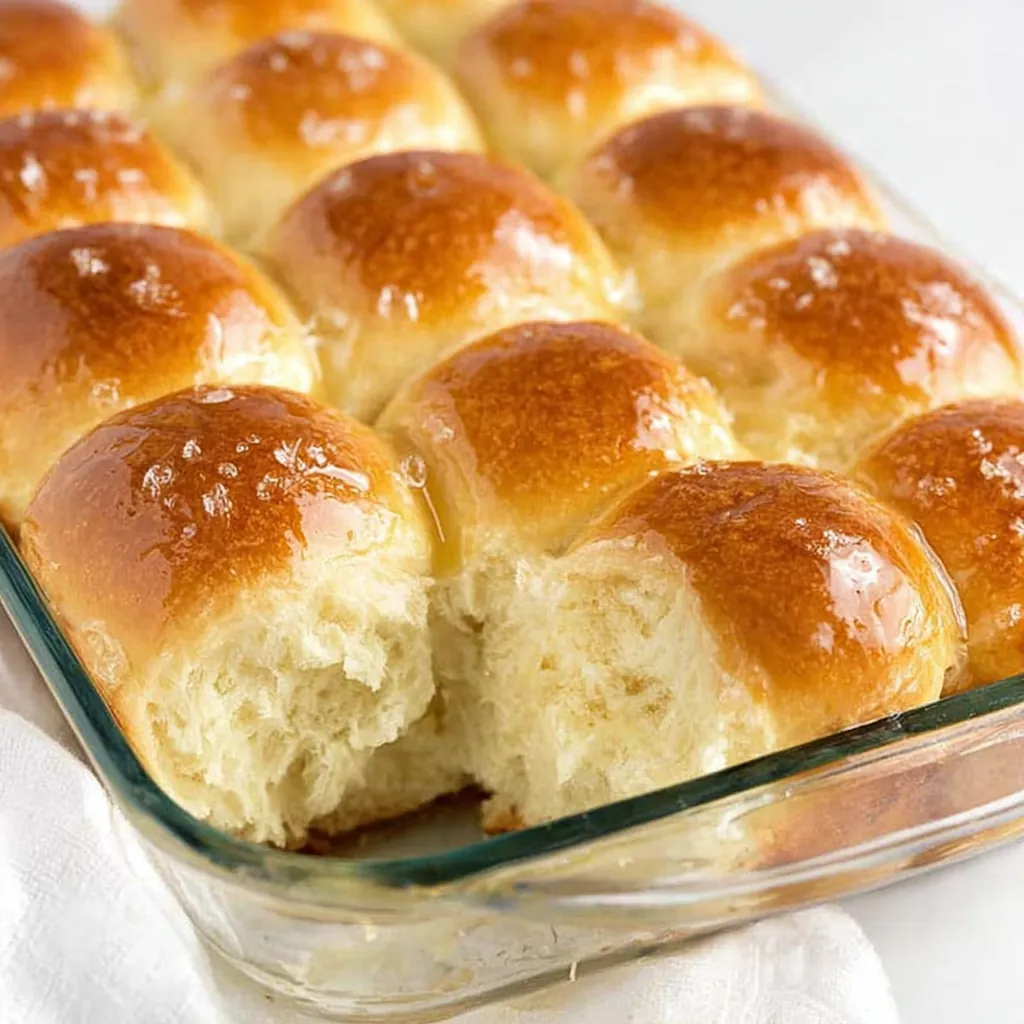
Homemade Dinner Rolls: Your Ticket to Addictive Fluffiness
There's nothing quite like the aroma of freshly baked bread wafting through your home. Among the pantheon of comforting carbohydrates, homemade dinner rolls stand in a league of their own. They're more than just a side dish; they're an experience, a warm hug on a plate, capable of transforming any meal from ordinary to extraordinary. Forget store-bought imitations; crafting your own buttery, soft dinner rolls, perfect for any occasion, is surprisingly simple, deeply rewarding, and promises an addictive fluffiness that will have everyone reaching for more.
For years, many have considered homemade rolls a holiday-only indulgence or a task reserved for seasoned bakers. But what if we told you that achieving truly amazing dinner rolls with that coveted golden hue and melt-in-your-mouth texture is an accessible delight, even for novice bakers? This comprehensive guide will walk you through the simple steps, secret tips, and essential ingredients to create rolls so good, they'll become a regular request at your table.
Why Homemade Dinner Rolls Are a Game Changer
The allure of homemade dinner rolls goes far beyond their incredible taste. It's about the entire sensory experience and the profound satisfaction of creating something truly special from scratch. Here's why making your own rolls is a culinary game-changer:
- Unmatched Freshness and Flavor: Store-bought rolls simply can't compare to the warmth, delicate chew, and rich buttery flavor of a roll pulled straight from your oven. The difference is palpable – a depth of flavor that only comes from fresh, quality ingredients lovingly combined.
- The Ultimate Comfort Food: There’s a reason rolls evoke feelings of nostalgia and warmth. They're a classic, old-fashioned, homestyle delicacy, often reminding us of grandma's kitchen. They're the perfect accompaniment to hearty stews, holiday feasts, or even a simple weeknight dinner, elevating every bite.
- Completely Addictive Quality: Be warned: once you taste these fluffy, tender morsels, you'll understand why many call them "addictive." The combination of soft texture, balanced sweetness, and rich butteriness makes them impossible to resist. You'll find yourself making excuses just to bake another batch!
- Customization and Control: When you bake at home, you control the ingredients. Opt for unbleached flour, quality butter, and fresh yeast, ensuring the best possible outcome for your family.
- A Rewarding Culinary Journey: Baking bread, especially rolls, offers a unique sense of accomplishment. Watching the dough rise, feeling its elasticity, and finally pulling golden, perfectly formed rolls from the oven is a truly satisfying process.
The Secrets to Achieving Addictive Fluffiness
The quest for truly amazing dinner rolls hinges on a few fundamental principles, primarily involving yeast, temperature, and fat. Mastering these elements will unlock that irresistible light and airy texture we all crave.
Essential Ingredients & Why They Matter
While the recipe itself is straightforward, understanding the role of each ingredient is crucial for consistent success:
- Yeast (Active Dry): This is the magic behind the rise. Ensure your yeast is fresh and active. An expired packet won't give your rolls the lift they need. Proofing it correctly in warm water is the critical first step to wake it up.
- Warm Water & Milk: Temperature control is paramount. Both should be between 110-115°F (43-46°C). Too hot, and you'll kill the yeast; too cool, and it won't activate properly, resulting in dense rolls. A thermometer is your best friend here.
- Granulated Sugar: Don't worry, these aren't overly sweet rolls. Sugar plays a dual role: it feeds the yeast, encouraging vigorous activity and a good rise, and it balances the savory notes, contributing to a wonderfully rounded flavor profile.
- Salted Butter: Generous amounts of butter are key to the rolls' tender crumb and rich, delicious flavor. You can use unsalted butter, but remember to increase the salt in the recipe slightly. Butter also contributes to that beautiful golden-brown crust.
- Large Egg (Room Temperature): A room temperature egg incorporates more easily into the dough, leading to a smoother texture and a better rise. It adds richness, helps bind the ingredients, and contributes to the rolls' soft structure. If you forget to take it out, simply place it in warm water for 10 minutes.
- Salt: Never forget the salt! It balances the sweetness, enhances all the other flavors, and controls yeast activity, preventing over-proofing. Standard table salt works perfectly.
- All-Purpose Flour: For the best results, many experienced bakers recommend using unbleached all-purpose flour. It tends to create a slightly better rise and a superior taste. However, bleached flour will work if that's what you have on hand.
Your Step-by-Step Journey to Amazing Dinner Rolls
Making these rolls is incredibly satisfying, especially with the help of a stand mixer, which does most of the heavy lifting. If you're new to baking bread, don't be intimidated; these steps are designed for success. For a deeper dive into the nuances of the process, you might want to master amazing homemade dinner rolls with this easy recipe guide.
- Proofing the Yeast: In the bowl of your stand mixer, combine warm water, yeast, and a tiny bit of sugar. Let it sit for 5-10 minutes. You're looking for a foamy, bubbly mixture – this confirms your yeast is alive and ready to work its magic.
- Combining the Wet Ingredients: Once the yeast is active, switch to the whisk attachment. Add the remaining sugar, warm milk, softened butter (5 tablespoons for the dough itself), the room temperature egg, and salt to the yeast mixture. Blend it gently. Don't worry if the butter doesn't fully incorporate at this stage; it will later.
- Adding Flour and Kneading: Gradually add the flour, starting with two cups, mixing until well combined. Then, switch to the dough hook attachment. Add the remaining flour slowly, kneading until the dough comes together. The dough should be soft, slightly sticky, but pull away from the sides of the bowl. Knead for about 5-7 minutes until it's smooth and elastic.
- First Rise (Bulk Fermentation): Place the dough in a lightly oiled bowl, turning once to coat. Cover it loosely with plastic wrap or a damp towel and let it rise in a warm, draft-free place for about 60-90 minutes, or until it has doubled in size. This slow rise develops flavor and texture.
- Shaping and Second Rise (Proofing): Gently punch down the dough to release the air. Turn it out onto a lightly floured surface and divide it into equal portions (typically 12-16 rolls). Shape each piece into a smooth ball and arrange them in a greased baking dish, leaving a little space between each. Cover again and let them rise for another 30-45 minutes, until puffy and almost doubled.
- Baking to Golden Perfection: Preheat your oven. Bake the rolls until they are beautifully golden brown and sound hollow when tapped. For an extra touch of irresistible richness, brush the tops with melted butter immediately after they come out of the oven.
Pro Tips for the Ultimate Dinner Roll Experience
- Patience is a Virtue: Don't rush the rising times. The dough needs time to develop flavor and achieve that airy texture. A slightly longer rise in a cooler spot can often yield superior results.
- Don't Over-Flour: A common mistake is adding too much flour. A slightly sticky dough is often a good sign; it indicates high hydration, which contributes to a softer roll. Resist the urge to keep adding flour beyond what the recipe suggests.
- Achieving the Golden Crust: For that perfect golden top, you can brush the rolls with a little milk or an egg wash (one egg beaten with a tablespoon of water) before baking. And, as mentioned, brushing with melted butter immediately after baking adds shine and flavor.
- Leftover Magic: If you're lucky enough to have any leftover amazing dinner rolls, they are fantastic the next day. Split them open and fill with plain old mayo, mustard, and leftover Thanksgiving turkey (or deli turkey) for a lunch that's miles beyond a standard sandwich.
Embracing the joy of baking your own dinner rolls is a journey that pays dividends in deliciousness and satisfaction. These simple steps, combined with a few key insights into your ingredients, will consistently deliver unbelievably soft, buttery, and utterly addictive rolls. Get ready to become your family's official roll-maker!
